90s internet providers: dial-up, AOL and UK connections
Published
In the 1990s, a home computer could reach the internet over a phone line. A modem, the device linking the computer to the phone line, dialled the provider’s number. The provider checked the account and connected the household to the internet. The household could pay separately for internet access and the telephone call.
On this page
An AOL price in the United States might cover its monthly fee. A British phone bill might charge for the local call. Record the country and phone plan when comparing them.
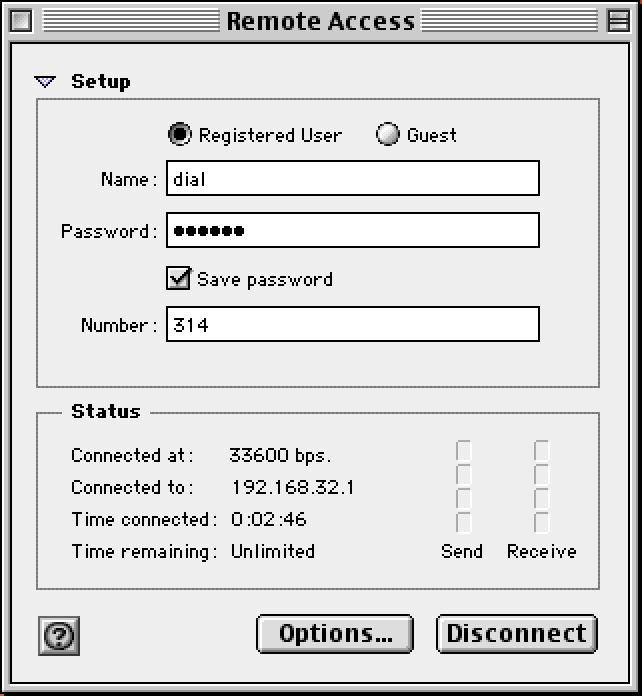
The modem supplied the local connection
The modem turned computer data into sounds that could travel down a phone line. It agreed with the modem at the other end how to send that data. The dial-up sound guide explains the sounds you could hear while they did this.
Once connected, the computer needed rules for sending packets, small bundles of data. One set of rules, the Point-to-Point Protocol, appears in RFC 1661. These rules let software such as a browser use the phone link.
The provider connected your computer to the internet
The internet provider took the call and linked the household to the wider network. A browser could then ask a computer elsewhere for a web page.
The US National Science Foundation’s history describes how commercial internet services grew. NSF launched its main network, NSFNET, in 1986. The growth of commercial services helped bring about its closure in 1995.
The browser displays web pages. The provider connects the home and may also offer email or space for a website. Some online services put several tools in one program.
Plans shaped the household routine
A plan might charge a regular fee or charge for time online. It could also include some hours and charge extra beyond them. The telephone service added its own pricing rules for the dialled number. Country, date and plan therefore matter when reading a remembered price.
A WIRED report dated 9 February 1998 reported an AOL price rise. Its US monthly fee would go from $19.95 to $21.95 that April. Keep the price labeled US subscription, April 1998 when comparing it with another plan; add any telephone charges that applied to that plan.
In the UK, BT launched a business internet service in 1994. BT Internet followed for homes and small businesses in 1996. BT’s own timeline records both launches.
Read an old bill or setup leaflet
Use this checklist to read an old bill or leaflet:
| Field | What it explains |
|---|---|
| Country and date | Where and when the prices applied |
| Provider and plan | The service the household purchased |
| Access number | The telephone destination used to connect |
| Included time | The allowance before additional service charges |
| Telephone charges | The cost of the call under the phone plan |
| Supplied software | The tools used to set up or use the connection |
Record the wording and units carefully. Monthly charges, hourly charges and call charges describe different things. A promotional disc or leaflet may also describe an introductory period, so keep that period with the offer.
The connection had a beginning and an end
You could write an email before connecting. Then you would dial the provider, send your mail, download new messages and disconnect. You could read the downloaded mail offline.
Small pages and images loaded faster, while clear links helped people find what they needed. Users had to plan downloads around their time online and the connection’s speed.
Explore browsers and personal websites
Netscape Navigator was one widely used browser. Old browser emulators let you try that software today. Personal website history shows what people made once they got online.