Newgrounds history: the Flash Portal, uploads and votes
Published
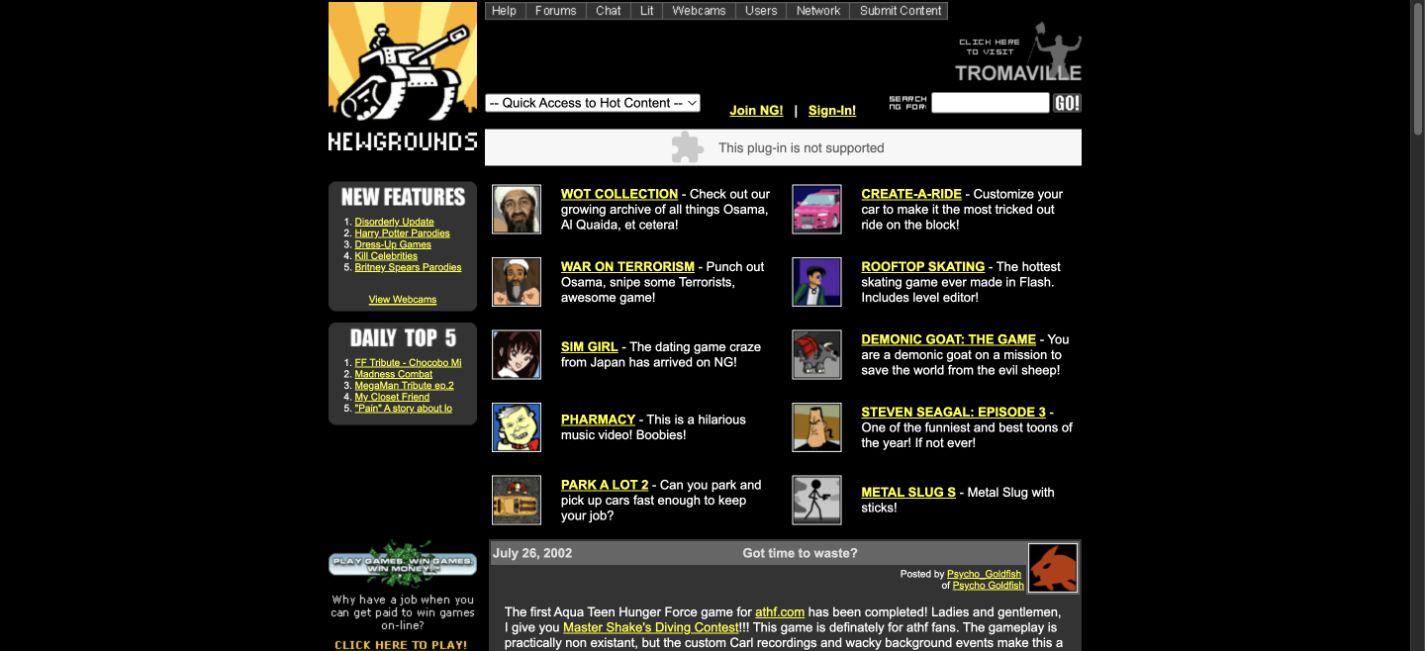
Newgrounds’ automated Flash Portal launched on 6 April 2000. It changed how work reached an audience: creators could upload animations and games, and visitors could immediately watch, play and vote.
On this page
Tom Fulp’s account of the Portal’s first year explains why. People emailed him their work, and choosing and posting it by hand took too much time. He worked with Ross to make the process automatic.
The audience became part of publishing
Visitors could see new uploads straight away. Fulp explains that a low enough vote score could remove a submission. What visitors did now helped decide which work stayed on the site.
Reviews and votes stayed beside the work. Creators could return to read them; visitors could follow an author or discuss a difficult jump, a joke or a technical problem.
Author notes explain what the creator intended. Credits name the people who worked on it, and dated reviews show what visitors noticed at the time.
Follow the people behind two games
Alien Hominid arrived on 7 August 2002. Its page connects Tom Fulp’s programming with Dan Paladin’s art. The original browser release supplies a clear starting point when comparing later editions of the game.
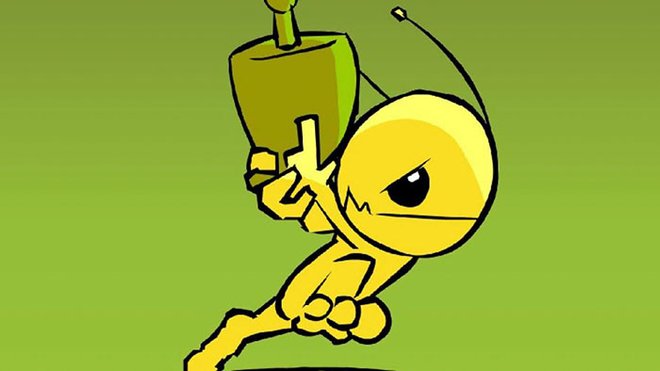
Dad ’n Me arrived on 27 July 2005 and reached the front page the next day. Its credits again name Fulp and Paladin, with music by Dustball. Uploading a game and featuring it on the front page were separate events.
Follow those credits as well as the titles. An artist’s page can reveal a repeated style; a musician may link games that otherwise look different. Keep the creators’ names when sharing a discovery so readers can find the people who made it.
Read an old page in context
Begin with the title, publication date, credits and author notes. Compare the stated controls with the opening scene. Then read a few early responses: what did players find memorable, confusing or difficult?
Check for later updates when reading an early comment. A complaint about a broken button may refer to a version the creator later fixed. The release date, review date and update note each tell you about a different point in time.
Watch a vote change a list
The original local portal model gives three fictional works a simple vote total. Select a work’s vote button and watch it move in the list. Higher totals come first; tied works appear in title order from A to Z.
Select Reset votes to put every total back to zero. Download vote record saves the current totals in a JSON data file. Reloading the page clears the totals shown there. Newgrounds used its own rules for scores and which submissions could stay.
Download the model’s source to see how sort() compares the works.